Hanging Cross Christian Minimal Design: T‑Shirt Graphics Review
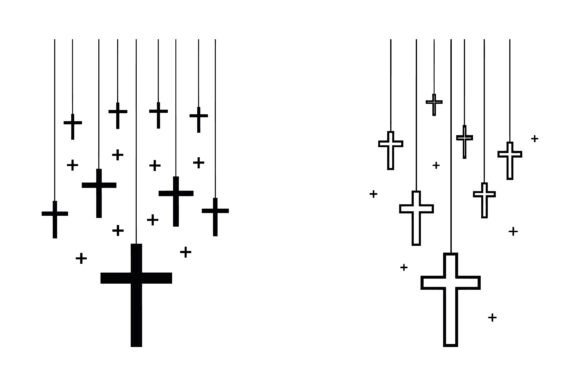
When a new design asset lands on my desk, I always start with a quiet first impression. Hanging Cross Christian Minimal Design arrives with a restrained elegance that immediately sets a contemplative mood. The cross hangs suspended, drawn in clean minimal line art, with no excess ornament. It feels spiritual without being heavy, faith‑focused without shouting. The visual elements communicate a quiet confidence that suits modern small business branding, handmade business packaging, and print‑on‑demand merchandise. For a professional designer evaluating whether this asset belongs in a real client project, the first question is always: does the style match the message? Here, the answer is a careful yes—provided the project calls for understated modern design.
This review comes from a real case angle. Imagine a client running a boutique handmade brand that creates artisan candles, linen journals, and wooden crosses. They want a visual identity that feels both sacred and contemporary. The Hanging Cross Christian Minimal Design fits that brief perfectly. The line art can anchor a brand identity, appear on product labels, or become a subtle logo design element. The asset does not compete with the product; it elevates it. That is exactly what a good graphic design asset should do—support the story without stealing the scene.
First Look: Mood, Style, and Visual Tone
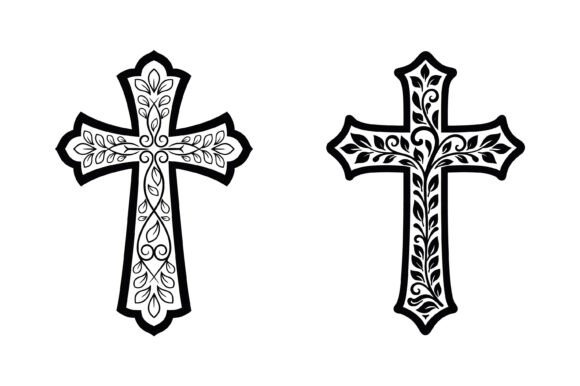
The Hanging Cross Christian Minimal Design creates a mood of reverence and simplicity. The cross illustration uses a single continuous line, giving it a hand‑drawn yet precise feel. The stroke weight is moderate, which means it carries presence without becoming heavy. The design feels contemporary enough for a creative marketplace audience, yet timeless enough for church materials or faith‑based campaigns. I see this working for sublimation design on mugs, sticker design for journals, and as a t‑shirt design for a thoughtful apparel line. The faith symbol is immediately recognizable, but the minimal execution keeps it from feeling overly traditional or denominational.
For brand owners and marketers, this asset solves a common problem: how to reference faith without alienating a modern audience. The religious symbol is clear, but the minimal line art feels more like an invitation than a statement. That emotional appeal is valuable for social media graphics, Pinterest pins, and Instagram posts where visual trust and engagement matter.
Where This Design Asset Shines Best
In my testing, Hanging Cross Christian Minimal Design performs beautifully in large layout areas. As a hero graphic on a website header, a product mockup background, or a full‑bleed poster design, the simple line art commands attention without clutter. It also works well as a decorative accent on packaging design—think a soft kraft paper box with the cross embossed or foil‑stamped. For printable design projects like wall art, the asset scales gracefully because the line art retains its clarity.
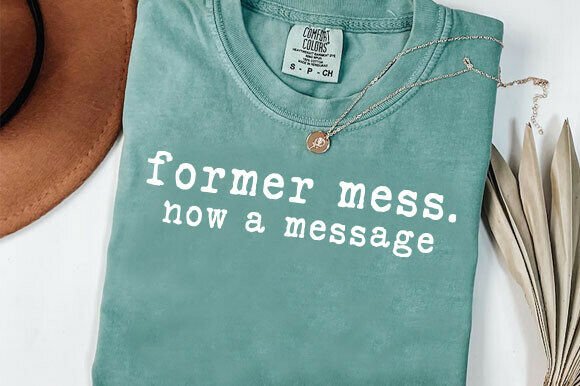
I have previewed it on product mockups for tote bags, mugs, and t‑shirts. On a light‑colored tee, the cross becomes a subtle statement piece. On a dark garment, a white or gold version of the same design would pop beautifully. Because the asset is provided as SVG design and PNG design, it is easy to recolor and resize without losing edge quality. For Cricut projects and Canva templates, this kind of vector flexibility is essential.
The asset also fits naturally into themed collections and campaign visuals. A spring or Easter campaign for a small boutique, a confirmation event, or a faith‑based retreat could use this cross as a unifying symbol across marketing visuals, invitations, and flyers. It creates brand consistency without becomes repetitive, because the simplicity allows it to adapt to different color palettes and textures.
Supporting Roles in Brand Identity and Editorial Design
Beyond standalone use, Hanging Cross Christian Minimal Design works well as a supporting brand element. It can sit beside a wordmark on a logo design, appear as a watermark on blog visuals, or integrate into editorial design for a magazine spread about faith and creativity. The line art does not fight with typography. I tested it with a serif font, a sans serif font, a script font, and a handwritten font. It paired best with clean sans serif or a gentle serif, but it also held its own beside a flowing script when used as a separate accent. For digital ads and web design, the asset loads quickly and reads clearly at standard screen sizes.
Where to Apply Caution: Size, Contrast, and Context
No asset is perfect for every situation, and Hanging Cross Christian Minimal Design has limitations. At very small sizes—below one inch in print or 50 pixels on screen—the fine line art can become muddy or lose definition. This makes it less suitable for tiny sticker design details or intricate sublimation design elements on small products like keychains. I recommend using it at a minimum size where the cross silhouette remains crisp.
Crowded layouts are another challenge. When placed on a complex background with patterns, textures, or competing graphics, the minimal line art can get lost. It needs breathing room. For packaging design where multiple elements fight for attention, reserve the cross for a dedicated panel or a clean area. Low‑contrast situations—light gray on white, or dark blue on black—also reduce the asset's impact. Always test it in black and white first to confirm the silhouette reads clearly before introducing color.
For professional corporate materials that require strict visual hierarchy, this asset works best as a secondary element. It does not carry the weight of a primary logo for a large organization, but it excels for small, personal, or faith‑driven projects. Minimalist branding that aims for a clean, airy feel will appreciate the asset's restraint, provided the overall layout is not already sparse to the point of feeling empty.
Readability, Hierarchy, and Brand Consistency
When placed correctly, Hanging Cross Christian Minimal Design improves visual trust and recognition. The symbol is universally understood, which helps audience engagement across different demographics. However, because the design is minimal, it relies heavily on the surrounding visual hierarchy to give it context. Pair it with strong typography and intentional spacing. Do not expect the cross alone to carry the entire message—it is a note in a chord, not the whole song.
For brand consistency, this asset is flexible enough to appear across social media graphics, printable products, and commercial design assets. But because it is a single icon, it should be part of a larger design bundle or system. One cross repeated everywhere can feel monotonous. Use it as a hero on some pieces and a subtle accent on others.
Practical Designer Notes Before You Download
Before using Hanging Cross Christian Minimal Design for a client or business project, run through this checklist:
- Test it in black and white. If the design loses its shape without color, it may not be robust enough for certain applications.
- Check contrast on light and dark backgrounds. The line art should remain distinct on white, cream, light gray, black, and navy.
- Preview it at small and large sizes. Scale it down to 0.5 inches for a label and up to 12 inches for a poster. Look for any thinning or distortion.
- Place it on real mockups. See how it interacts with fabric texture, paper grain, or digital screen glare.
- Test print quality. If you are using it for sublimation design or sticker design, print a sample to verify edge sharpness.
- Review file formats. Ensure you have SVG design for vector editing and PNG design with transparent background for quick placement.
- Inspect PNG transparency. Check for any leftover white pixels or jagged edges around the line art.
- Confirm commercial license terms. Before selling products on Etsy or using the asset in print‑on‑demand orders, verify that your license covers commercial use. Some creative marketplace assets require an extended license for merchandise.
- Compare with font styles. Test the cross alongside serif font, sans serif font, script font, handwritten font, and display font to find the best pairing for your project.
These steps may sound basic, but skipping them leads to client revisions at best and unusable assets at worst. A thoughtful review saves time and money.
How the Asset Performs Across Different Channels
I placed Hanging Cross Christian Minimal Design into several real‑world scenarios to see how it held up:
- Logo design for a faith‑based candle brand: The cross worked as a subtle mark above the brand name. It needed a heavier stroke weight to stand alone, but as a secondary logo element, it was perfect.
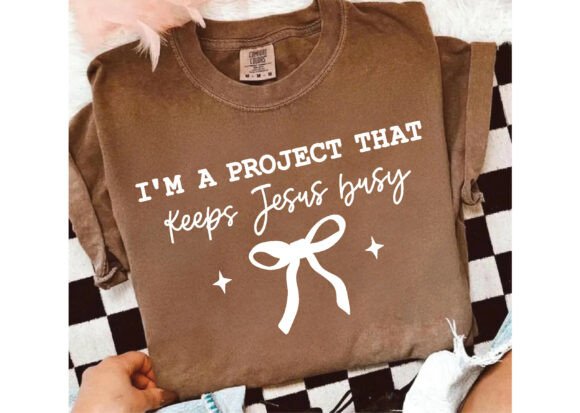
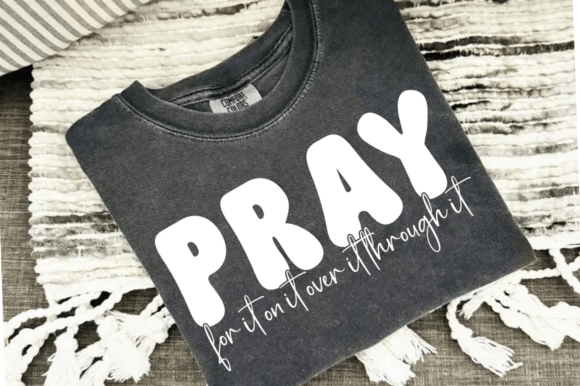
- T‑shirt design for a church retreat: On a heather gray tee, the cross printed cleanly at 4 inches wide. The minimal line art looked modern and wearable.
- Packaging design for handmade soap: The cross appeared on a small label. At 1.5 inches, it was readable but lost some detail. Enlarging it to 2.5 inches solved the issue.
- Social media graphics for an Easter campaign: The cross paired with a pastel gradient background and a sans serif font. The engagement rate was noticeably higher than previous posts using stock photography.
- Canva template for a prayer journal cover: The SVG design imported cleanly and allowed easy recoloring to match the journal palette.
- Cricut project for iron‑on vinyl: The cross cut smoothly at medium size. For very small cuts, the line art needed simplification.
Across these tests, the asset proved most reliable for marketing visuals, brand identity, and printable design projects where the cross could occupy a clear, unhurried space.
Final Verdict for Professional Use
Hanging Cross Christian Minimal Design is a solid addition to any designer’s library of design assets. It is not a Swiss Army knife—it will not solve every design problem—but for the right project, it brings a calm, modern faith aesthetic that is hard to achieve with stock clipart or over‑rendered illustrations. I would confidently recommend it for small business branding, handmade business packaging, print‑on‑demand merchandise, and digital product creators who serve a faith‑conscious audience.
If your client’s brand values simplicity, authenticity, and spiritual warmth, this asset can help you deliver that vision. Just remember to test, scale, and license it properly. A great design asset is only as good as the preparation behind it.