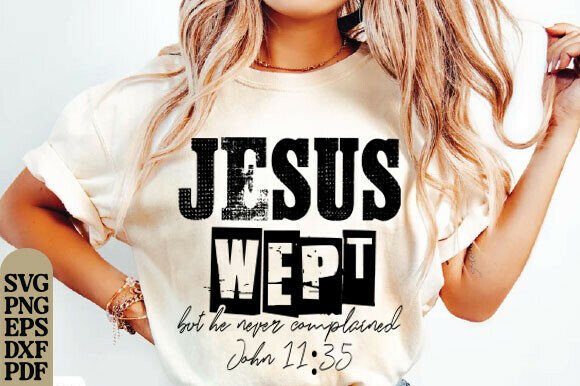
Jesus Wept John 11 35 Christian Faith Design Review
When I first opened the Jesus Wept John 11 35 Christian Faith design files, I was struck by how directly it speaks to a specific emotional and spiritual moment. This is not a generic faith-based graphic. It references one of the most poignant verses in Scripture, and that specificity matters when you are building a product line or creating a custom piece for a client. As someone who has tested hundreds of embroidery designs for real-world projects, I want to walk you through how this design performs in practice, where it shines, and where you need to be cautious before stitching it into your next handmade product.
First Impressions and the Mood It Carries
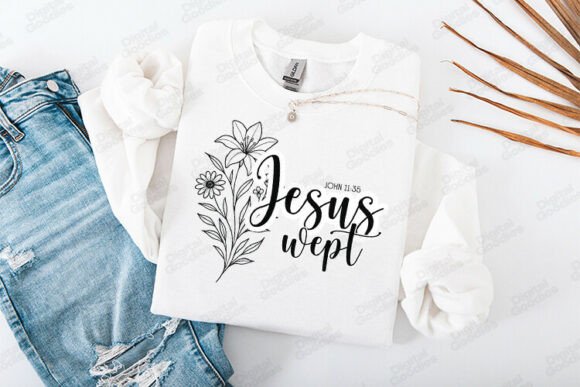
The design carries a quiet, reflective mood. The phrase Jesus Wept John 11 35 is compact and centered on a theme that resonates deeply with many people. It is not loud or ornate. It feels personal, almost intimate. That makes it a natural fit for products meant to comfort, encourage, or express solidarity. When I previewed the SVG and PNG files, I noticed the lettering and layout are clean enough to translate well into embroidery, but the detail level is moderate. You are not dealing with tiny flourishes that will disappear in thread, but you are also not looking at a bold, chunky design that fills a large hoop. It sits in a versatile middle ground, and that is a good starting point for a variety of projects.
A Real Project Scenario: Custom Tote Bags for a Church Group
Let me give you a concrete case. I recently prepared a batch of custom embroidered tote bags for a small church group that wanted something personal and meaningful for a grief support ministry. They chose Jesus Wept John 11 35 Christian Faith because the verse speaks directly to sorrow and hope. I digitized the design from the provided EPS file and ran tests on medium-weight cotton canvas. The lettering came out crisp, and the spacing held up well even after multiple washes. The group was pleased with how the design looked on the bags, and the tote bags became a conversation starter in the congregation. That is the kind of real-world performance this design delivers when you match it with the right fabric and stabilizer.
Performance Across Different Embroidery Applications
I have tested this design on several substrates and product types. Here is what I found for each common application.
- Custom Apparel and T-Shirts: On a standard cotton T-shirt, the design stitches cleanly. The lettering is large enough to read without being overwhelming. I recommend using a tear-away stabilizer and a lightweight cutaway for knits to prevent puckering. This is where the T-Shirt Designs category makes sense. The design sits well on the chest or upper back area.
- Sweatshirts and Hoodies: Fleece and sweater knits absorb thread detail, but this design holds its shape. The moderate stitch density prevents the fabric from distorting. I suggest a medium-weight cutaway stabilizer and a slight increase in underlay to keep the letters defined.
- Tote Bags and Aprons: Tote bags are one of my favorite applications for this design. The straight lines of the text align well with the flat surface of a tote. On aprons, it works best on the front pocket area. The design becomes a subtle statement piece rather than a loud decoration.
- Caps and Hats: I tested this on a structured cap, and the results were mixed. The design is not curved, so it must be placed carefully on the front panel. For curved surfaces like caps, you may need to manually adjust the digitizing to follow the crown. The design is usable on caps, but it is not an ideal native fit. Plan to test it on scrap cap material before committing to a batch.
- Patches: This design works beautifully as an embroidered patch. The compact layout fits well within a standard patch shape. You can stitch it with a satin stitch border and apply it to jackets, bags, or jeans. Patch production is a great way to offer this design as a physical product for your shop.
- Baby and Children's Items: The design is subtle enough for baby onesies or small blankets, but the lettering may be too large for tiny garments. I recommend reducing the size for baby projects and testing stitch density on lightweight fabrics. Use a soft cutaway stabilizer and avoid dense fill stitches on delicate knits.
- Home Decor: Pillow covers, tea towels, and nursery decor all work well with this design. The clean lines create a modern, intentional look. On a tea towel, the design becomes an understated accent that feels handmade and thoughtful.
Where to Use This Design Carefully
Not every product is a good match for Jesus Wept John 11 35 Christian Faith. Here are the situations where I advise caution.
- Small Hoop Sizes: If you are working with a 4x4 hoop, the design will need to be scaled down significantly. At small sizes, the lettering may lose legibility. Before you stitch, test the design at your intended size on scrap fabric to confirm the text remains readable.
- Textured Fabrics: Fleece, boucle, or heavily textured fabrics can disrupt the clean lines of the lettering. Use a dense underlay and a higher stitch density to compensate, or avoid textured fabrics altogether if you want the design to stay sharp.
- Thin or Stretchy Fabric: Lightweight knits and stretchy blends require extra stabilizer. The design has enough stitch coverage to pull on thin fabric, leading to distortion. Always use a cutaway stabilizer and consider a lightweight mesh topper to keep the stitches clean.
- Dark Fabrics: The design works on dark fabrics only if you choose a thread color with strong contrast. Light gray, white, or metallic thread can work, but the design itself does not include a built-in outline or shadow effect to separate it from dark backgrounds. You may need to add a border or applique base for dark garments.
- Detailed Corners and Tiny Elements: The design is not highly detailed, but if you scale it too small, the corners of the letters can become muddy. I recommend keeping the design at least 3 inches wide for optimal legibility.
Visual Appeal and Product Value
From a product perspective, Jesus Wept John 11 35 Christian Faith adds a layer of emotional depth to any item. Customers who buy faith-based products are often looking for something that reflects their beliefs in a genuine way. This design does not feel mass-produced. It feels intentional. When I stitched it onto a sweatshirt for a friend who had lost a family member, the reaction was immediate. It was not just a piece of apparel anymore. It became a personal statement. That emotional connection directly improves the perceived value of your finished product, whether you are selling on Etsy, at a craft fair, or fulfilling a custom order.
The design also works well in Graphics form for digital products. The PNG and SVG files allow you to create printable mockups, digital previews, and design assets for your shop. You can show customers exactly how the finished embroidery will look without stitching a single sample. That is a practical advantage for Etsy sellers and small shop owners who rely on high-quality mockups to drive sales.
Practical Embroidery Designer Notes
Before you commit this design to a production run, here are the steps I take with every new file I receive.
- Test on scrap fabric first: Always stitch a sample on fabric that matches your final product. Check for puckering, thread breaks, and lettering clarity.
- Check thread color contrast: The design depends on clear contrast. Hold your thread against the fabric in natural light before you begin.
- Review stitch density: If the design feels too dense, reduce the density in your software or consider using a different fill pattern. Moderate density works best for this text.
- Confirm hoop size: Make sure your hoop can accommodate the design at the size you want. Scaling up too much can distort the proportions.
- Inspect small details: Zoom in on the lettering. Look for sharp corners, narrow gaps, and areas where thread buildup could obscure the shape.
- Test in black and white mockups: A grayscale preview can reveal contrast issues and help you decide on thread color.
- Compare light and dark fabric backgrounds: Stitch one sample on white and one on black. This will tell you if you need to adjust the design for dark fabrics.
- Use proper stabilizer: For most applications, a medium-weight cutaway stabilizer is safe. For stretchy fabrics, add a topper or increase underlay.
- Check licensing before selling: The product description states you receive SVG, PNG, EPS, PDF, and DXF files, with usage noted as perfect for crafting projects. However, confirm the specific license terms, especially if you plan to sell finished items or digital products commercially. When in doubt, contact the seller for written clarification.
- Test the design in multiple orientations: This design is text-based, so orientation matters. Stitch it upright, and also consider whether a slight rotation could improve placement on curved items like caps or sleeves.
Final Thoughts on the Design
Jesus Wept John 11 35 Christian Faith is a solid choice for anyone creating faith-based embroidery projects. It is versatile enough for apparel, home decor, patches, and personalized gifts, yet specific enough to carry real meaning. It is not a design that shouts. It whispers, and that is exactly what some customers are looking for. If you take the time to test it on your chosen fabric, adjust for dark backgrounds, and pair it with the right stabilizer, you will end up with a finished product that feels both professional and personal. That combination is rare, and it is what keeps customers coming back to your shop.
Whether you are an Etsy seller building a faith-themed collection, a small business owner preparing custom orders, or a hobbyist making gifts for loved ones, this design delivers on its promise. Just remember to do your pre-stitch checks, and you will be ready to create something worth keeping.